

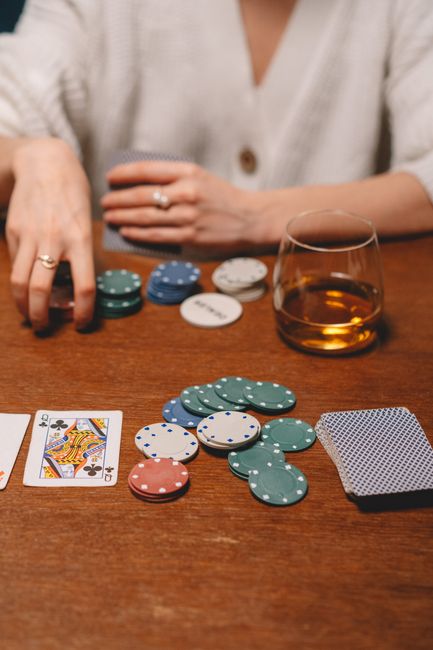
Walk into any online casino lobby and you'll see the same scene: thousands of games, blinking jackpot tickers, and a welcome bonus so generous it almost feels suspicious. Most players click around for ten minutes, lose a few euros on a random slot, and log off without ever understanding what they just walked into. That's a shame, because the iGaming world is far more interesting when you know how it actually works — and how to keep it from working against you.
This isn't a hype piece. It's a practical look at the four pillars most players spend their time on: slots, table games, poker, and sports betting. I'll cover what separates good games from bad ones, why bonuses aren't always what they appear, and the habits that separate people who play for fun from people who chase losses at 2 AM.
Slots: The Math Behind the Spin
Slots are the bread and butter of every casino, online or otherwise. They're simple, fast, and require zero skill — which is exactly why they generate the most revenue. But understanding two numbers changes how you play them.
The first is RTP, or return to player. A slot with 96% RTP returns 96 cents on average for every euro wagered over millions of spins. That sounds decent until you realize some games sit at 94% or lower because of a jackpot feature baked in. Higher RTP is generally better, but a 96% slot can still wipe you out in an hour if variance is high. Take a look at good88 for a fuller picture.
The second number is volatility. High-volatility slots pay less often but can hit huge. Low-volatility games pay frequently in small doses. Neither is "better" — they suit different bankrolls. If you're playing with €50, a high-volatility slot with 1,000x max wins might drain you before you ever see a bonus. If you're playing with €500 and want a shot at something significant, low-volatility pays won't excite you either.
- Book of Dead and similar Egypt-themed slots sit in the mid-to-high volatility range with around 96% RTP — popular for a reason.
- Gates of Olympus leans high-volatility, with cascading wins that can either vanish in five spins or hit massive multipliers.
- Starburst remains a low-volatility classic at 96.1% RTP — good for grinding, not for chasing jackpots.
One practical tip: never play a slot you don't understand. Read the paytable. Check the max win. Look at whether there's a bonus buy — and whether you'd actually pay 100x your stake for a feature that might return 20x.
Table Games and the House Edge Game
Roulette, blackjack, baccarat — these are where smart players go because the house edge is transparent and comparably small.
European roulette has a house edge of 2.7% thanks to the single zero. American roulette doubles that to 5.26% because of the double zero. If you're playing an American wheel instead of European, you're giving the casino roughly twice the edge for no good reason. That single choice matters more than any betting pattern.
Blackjack is even tighter — often 0.5% or less with basic strategy. The catch is that basic strategy requires memorizing when to hit, stand, double, and split based on your hand and the dealer's upcard. It's not difficult, but it's not intuitive either. Most casual players stand on 16 against a dealer's 10 because it feels safe. That feeling costs money.
Baccarat is the sleeper hit of online casinos. It's nearly all luck, but the banker bet has a house edge of just 1.06% — better than almost anything else in the building. The rules look intimidating until you realize there's essentially one strategy: bet banker, accept the 5% commission, and enjoy grinding.
Poker: The Only Game Where You Play the Player
Poker is different. You're not playing against the house — you're playing against other people, and the house takes a rake. That means a skilled player can actually be profitable long-term, which is not true of slots or roulette.
That skill gap is also why online poker is brutally tough. The recreational players are still there, but sitting next to them are professionals with tracking software, range charts, and thousands of hours of study. If you're coming from slots, the transition is humbling.
- Start at micro stakes. €0.01/€0.02 cash games are where you learn without bleeding your bankroll.
- Play tight-aggressive. Fold more hands than you think you should. Bet when you have something and occasionally when you don't.
- Track your results. A spreadsheet or tracker will tell you what your memory won't.
- Study regularly. Watching hands and reviewing sessions matters more than grinding volume when you're starting.
Tournaments offer another path. Low buy-in sit-and-gos and multi-table tournaments give you a shot at a big score for a small investment, though variance is savage. Downswings of a dozen tournaments without a final table are completely normal.
Sports Betting: Information Beats Instinct
Sports betting rewards people who do homework. The bookmaker sets odds based on probability, and the margin — usually between 4% and 8% on a standard two-way market — is their built-in profit. Beating that margin consistently is hard, which is why most recreational bettors lose slowly over time.
A few things make a real difference:
- Line shopping. Odds vary between bookmakers. Getting 2.10 instead of 2.00 on a €100 bet is a €10 difference, every time.
- Closing line value. If you consistently bet at better odds than the final closing line, you're likely making good decisions — even if short-term results say otherwise.
- Staking discipline. Flat staking (same amount per bet) protects your bankroll and removes emotion from the equation.
Banker bets as accumulators look tempting because the payout multiplies, but each added selection stacks the bookmaker's edge. A five-fold accumulator isn't five times the value — it's five times the risk.
Bonuses, Reality Check
Every casino leads with a welcome offer, and almost every one carries wagering requirements. A "€200 bonus" with 35x wagering means you need to bet €7,000 before withdrawing anything. Read the terms. Check game weighting — slots usually count 100%, but table games and live dealer often count 10% or not at all. A bonus that looks like €200 can be functionally worthless if you play blackjack.
Reputable operators hold licenses from regulators like the UK Gambling Commission, MGA in Malta, or their equivalents. If the site doesn't display a license number, close the tab. Payment methods should also include standard options — Visa, Mastercard, e-wallets, bank transfers — not just crypto with no verification.
The Bottom Line
iGaming is entertainment first, and anyone who forgets that will eventually pay for the lesson. The people who enjoy it most in the long run are the ones who treat it as a paid hobby: set a budget, never chase losses, and pick games where you at least understand the math. Slots, poker, blackjack, football — they all reward players who stay curious and stay disciplined. The house doesn't always win because you're unlucky. It wins because too many players bring intuition to a game built on numbers.